
Dream Symbols Across Different Cultures
Explore how different civilizations throughout history have interpreted dream symbols and their meanings.
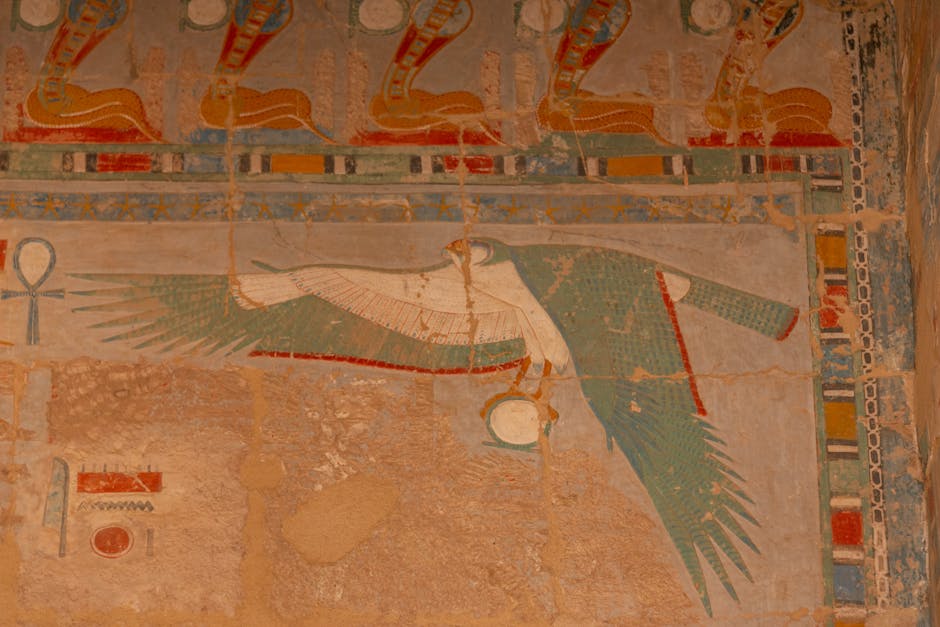
Photo by Diego F. Parra on Pexels
Dreams as a Universal Language
Dreams have fascinated humanity since the dawn of civilization. Every known culture has developed systems for interpreting dreams, yet the meanings assigned to the same symbols can vary dramatically. Understanding these cultural perspectives enriches our own dream interpretation practice and reminds us that dream symbolism is both universal and deeply personal.
Ancient Egypt: Messages from the Gods
The ancient Egyptians considered dreams to be direct communications from the divine. They created one of the earliest known dream dictionaries — the Chester Beatty papyrus, dating to around 1275 BCE — which cataloged dream symbols and their meanings.
Egyptian dream interpretation was institutionalized. Temples dedicated to Serapis featured “dream incubation” chambers where people slept overnight, hoping to receive divine guidance through dreams. Priests trained in dream interpretation would help decode the messages the next morning.
For the Egyptians, dreaming of a snake could be positive — representing renewal and the power of the goddess Wadjet — quite different from many Western interpretations that associate snakes with deception.
Ancient Greece: The Asklepion Tradition
The Greeks built over 300 Asklepia — healing temples dedicated to the god Asklepios — where patients practiced therapeutic dream incubation. They would purify themselves through ritual, sleep in sacred dormitories, and report their dreams to priest-physicians who prescribed treatments based on dream content.
Aristotle took a more rational approach, arguing that dreams were not divine but rather products of sensory impressions that persisted during sleep. His student, Artemidorus of Daldis, wrote the Oneirocritica (Interpretation of Dreams), a comprehensive five-volume dream dictionary that influenced Western dream interpretation for centuries.
In Greek tradition, water in dreams often represented the boundary between life and death — the river Styx separating the living world from the underworld.
Chinese Dream Philosophy
Traditional Chinese culture views dreams through the lens of yin-yang philosophy and the concept of the soul’s dual nature. The hun (spiritual soul) was believed to wander during sleep, encountering spirits and receiving wisdom, while the po (corporeal soul) remained with the body.
The Chinese dream tradition, codified in texts like the Zhougong’s Dream Dictionary (attributed to the Duke of Zhou, circa 1000 BCE), emphasizes the importance of context and the dreamer’s current circumstances. The same symbol could have opposite meanings depending on the dreamer’s situation.
In Chinese tradition, dreaming of fish is considered highly auspicious, symbolizing abundance, wealth, and good fortune — a meaning that persists in modern Chinese culture.
Native American Dream Practices
Many Native American traditions regard dreams as portals to the spirit world and essential sources of guidance, healing, and identity. Vision quests — ceremonial periods of fasting and solitude in nature — were designed to invite powerful, revelatory dreams.
The Ojibwe tradition of the dreamcatcher originated from the belief that dreams carry both positive and negative messages. The web filters out harmful dreams while allowing beneficial ones to reach the sleeper.
For many Plains tribes, dreaming of an eagle or other powerful animals could determine a person’s spiritual path, healing abilities, or role within the community. Animal dreams were not just personal — they carried communal significance.
Islamic Dream Interpretation
In Islamic tradition, dreams are classified into three categories: true dreams (ru’ya) sent by God, dreams from the self (nafs), and disturbing dreams from Satan. The Prophet Muhammad encouraged the sharing and interpretation of true dreams, which are considered a form of prophecy.
Ibn Sirin, a renowned 8th-century Islamic scholar, compiled one of the most extensive dream interpretation guides in the Muslim world. His work remains influential today and emphasizes that dream interpretation requires understanding the dreamer’s character, circumstances, and spiritual state.
In Islamic tradition, light and illumination in dreams often represent divine guidance and knowledge, while darkness may suggest spiritual confusion.
Aboriginal Australian Dreamtime
The Aboriginal Australian concept of the Dreaming (or Dreamtime) is perhaps the most profound integration of dreams into a cultural worldview. The Dreaming is not merely about sleep dreams but describes the eternal, ongoing process through which the world was created and continues to exist.
In this tradition, dreams connect individuals to their ancestors, the land, and the spiritual forces that shaped reality. Dream experiences are considered as real and significant as waking events, and dreaming of specific landscapes or animals reinforces the spiritual connection between people and place.
What Cultural Differences Teach Us
The diversity of dream interpretation traditions reveals several important insights:
- Context matters. The same symbol — a snake, water, or death — can carry vastly different meanings depending on cultural context.
- Personal meaning comes first. While cultural traditions provide frameworks, the most accurate interpretation comes from your own associations and life circumstances.
- Dreams connect us. Despite cultural differences, the fundamental human experience of dreaming — and the desire to find meaning in it — is truly universal.
Exploring multiple cultural perspectives on dream symbols expands your interpretive vocabulary and helps you find the meanings that resonate most deeply with your own experience.
Disclaimer: This article is for informational and educational purposes only. It is not a substitute for professional medical or psychological advice.
More Articles

How to Remember Your Dreams Better
Practical tips and techniques to improve your dream recall starting tonight.

Sleep Paralysis: What It Is and Why It Happens
Understand the science behind sleep paralysis, why it can feel terrifying, and how to cope with episodes.
The Psychology of Dreams: Freud vs Jung
Compare the two most influential dream theories in psychology and how they shape modern dream interpretation.