
Sleep Paralysis: What It Is and Why It Happens
Understand the science behind sleep paralysis, why it can feel terrifying, and how to cope with episodes.

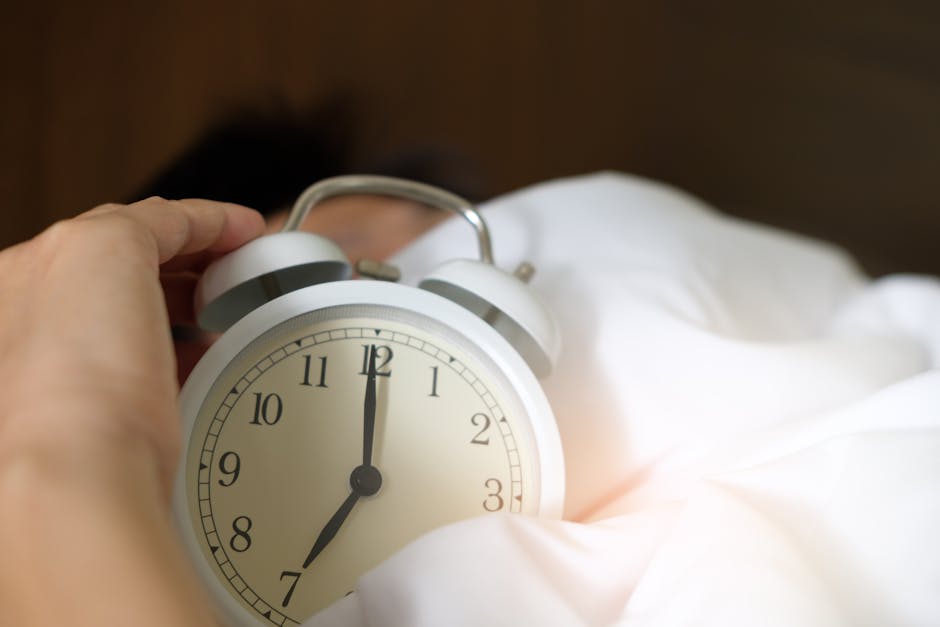
Photo by cottonbro studio on Pexels
A Terrifying But Common Experience
Imagine waking up unable to move. Your eyes are open, you are aware of your surroundings, but your body is completely frozen. You may feel a crushing pressure on your chest, sense a presence in the room, or see shadowy figures at the edge of your vision. Then, after what feels like an eternity but is usually only seconds to a few minutes, it passes.
This is sleep paralysis, and while it can be profoundly frightening, it is a well-understood neurological phenomenon that is far more common than most people realize. Studies estimate that roughly 8% of the general population experiences sleep paralysis at some point, with rates as high as 28% among students and 32% among psychiatric patients.
The Science Behind It
REM Atonia
During REM (Rapid Eye Movement) sleep — the stage when most vivid dreaming occurs — your brain temporarily paralyzes your voluntary muscles. This is called REM atonia, and it is a protective mechanism that prevents you from physically acting out your dreams.
Sleep paralysis occurs when this muscle paralysis persists briefly after you wake up, or begins before you fully fall asleep. Your conscious mind is active, but your body remains in its REM-sleep state. The result is a disconnect between awareness and physical control that can last from a few seconds to several minutes.
Hypnagogic and Hypnopompic Hallucinations
What makes sleep paralysis truly terrifying for many people is not just the inability to move — it is the hallucinations that often accompany it. Because the brain is transitioning between REM sleep and wakefulness, dream imagery can intrude into conscious perception:
- Visual hallucinations — Shadowy figures, dark shapes, or even detailed apparitions in the room
- Auditory hallucinations — Buzzing, footsteps, whispers, or breathing sounds
- Tactile sensations — Pressure on the chest, the feeling of being touched or held down
- Presence — An overwhelming sense that someone or something is in the room
These experiences feel entirely real because, from a neurological perspective, the same brain regions that produce dream imagery are still active while you are conscious.
Historical and Cultural Accounts
Sleep paralysis has been documented across virtually every culture, each developing its own explanation for the phenomenon:
- Medieval Europe — The “incubus” or “Old Hag” was believed to sit on the sleeper’s chest, crushing them and stealing their breath.
- Japan — Kanashibari (literally “bound in metal”) attributes the paralysis to ghost possession.
- Newfoundland — The “Old Hag” tradition describes a witch who visits sleepers at night.
- Turkey — The Karabasan (dark presser) is a djinn-like entity that attacks during sleep.
- Brazil — Pisadeira, a crone-like figure, is said to step on the chests of those who sleep face-up after heavy meals.
These remarkably similar descriptions across unrelated cultures confirm that sleep paralysis is a universal human experience, with the hallucinated “presence” being a consistent feature.
Risk Factors
While anyone can experience sleep paralysis, certain factors increase the likelihood:
- Sleep deprivation — The single most common trigger. Irregular or insufficient sleep disrupts normal sleep architecture.
- Irregular sleep schedule — Shift work, jet lag, or inconsistent bedtimes
- Sleeping on your back — Episodes are more common in the supine position
- Stress and anxiety — Elevated stress levels disrupt sleep quality and REM regulation
- Other sleep disorders — Narcolepsy is strongly associated with recurrent sleep paralysis
- Genetics — Some studies suggest a hereditary component
How to Cope During an Episode
If you experience sleep paralysis:
- Remind yourself it is temporary. Knowing what is happening removes much of the fear. The paralysis will pass within seconds to minutes.
- Do not fight it. Struggling against the paralysis can increase panic. Instead, try to relax your body.
- Focus on small movements. Try wiggling your fingers or toes. Small movements can help break the paralysis.
- Control your breathing. Focus on slow, steady breaths. This helps reduce the sense of chest pressure.
- Move your eyes. Eye muscles are not affected by REM atonia. Looking around can help ground you in reality.
Prevention Strategies
- Prioritize consistent sleep. Go to bed and wake at the same time daily, aiming for 7-9 hours.
- Reduce stress. Practice relaxation techniques, especially before bed.
- Avoid sleeping on your back if you are prone to episodes.
- Limit caffeine and alcohol, particularly in the hours before sleep.
- Address underlying sleep disorders. If episodes are frequent, a sleep study may be recommended.
When to See a Doctor
Occasional sleep paralysis is not a medical concern. However, consult a healthcare professional if:
- Episodes occur frequently (multiple times per month)
- They significantly disrupt your sleep or cause daytime anxiety about sleeping
- You experience excessive daytime sleepiness (which may indicate narcolepsy)
- Episodes are accompanied by other unusual sleep behaviors
Sleep paralysis, while terrifying in the moment, is a harmless neurological event. Understanding the science behind it transforms the experience from a supernatural fear into a manageable and even fascinating glimpse into the mechanics of sleep.
Disclaimer: This article is for informational and educational purposes only. It is not a substitute for professional medical or psychological advice.
More Articles
How to Remember Your Dreams Better
Practical tips and techniques to improve your dream recall starting tonight.

The Psychology of Dreams: Freud vs Jung
Compare the two most influential dream theories in psychology and how they shape modern dream interpretation.
Dream Symbols Across Different Cultures
Explore how different civilizations throughout history have interpreted dream symbols and their meanings.