
Nightmares: Causes and How to Stop Them
Learn what causes nightmares and evidence-based strategies to reduce their frequency and intensity.

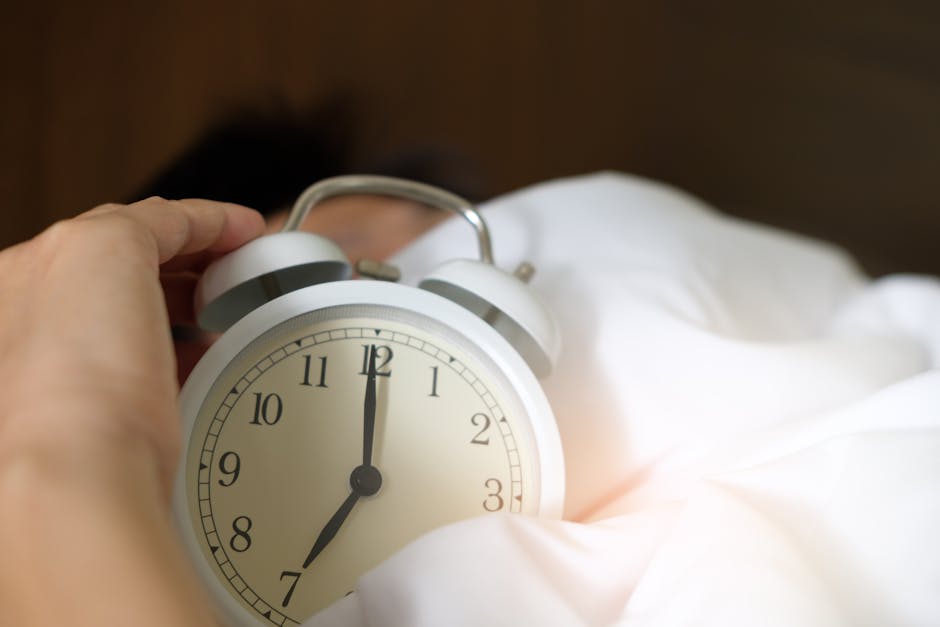
Photo by Toni Cuenca on Pexels
What Makes a Nightmare?
A nightmare is a disturbing dream that triggers strong negative emotions — typically fear, anxiety, or dread — and often wakes you up. Unlike ordinary bad dreams, nightmares are vivid enough to be recalled in detail and can leave you feeling shaken for minutes or even hours after waking.
Occasional nightmares are normal. Most adults experience them a few times a year. However, when nightmares become frequent, they can significantly affect sleep quality, mental health, and daily functioning.
Common Causes
Stress and Anxiety
Everyday stress is the most common trigger for nightmares. Work pressure, relationship difficulties, financial worries, and major life changes can all fuel disturbing dreams. The brain processes stressful experiences during sleep, and when stress levels are high, that processing can manifest as nightmares.
Trauma and PTSD
For people who have experienced trauma, nightmares can be particularly severe and persistent. Trauma-related nightmares may replay the event directly or express it through symbolic imagery. Recurrent nightmares are one of the hallmark symptoms of post-traumatic stress disorder (PTSD), affecting up to 80% of people with the condition.
Medications
Certain medications can increase nightmare frequency as a side effect. These include some antidepressants (particularly SSRIs), blood pressure medications (beta-blockers), and drugs that affect neurotransmitters like dopamine and serotonin. If you suspect medication is causing nightmares, consult your prescribing doctor — never stop medication without professional guidance.
Sleep Deprivation
Paradoxically, not getting enough sleep can lead to more intense dreams and nightmares. When you are sleep-deprived, your brain compensates with longer and more intense REM periods when you finally do sleep, increasing the likelihood of vivid nightmares. This creates a vicious cycle where nightmare-related anxiety further disrupts sleep.
Late-Night Eating
Eating close to bedtime raises your metabolism and brain activity, which can trigger more vivid and disturbing dreams. Spicy or heavy foods are particularly associated with increased dream intensity.
Substance Use
Alcohol, while it may help you fall asleep initially, disrupts REM sleep patterns and can cause intense nightmares during the second half of the night as it wears off. Withdrawal from alcohol or other substances is also a well-known nightmare trigger.
Evidence-Based Solutions
Image Rehearsal Therapy (IRT)
IRT is one of the most effective treatments for chronic nightmares. The technique is straightforward:
- While awake, write down a recent nightmare in detail.
- Change the storyline to something neutral or positive. You do not need to change everything — just alter key elements.
- Spend 10-20 minutes each day visualizing the new, revised dream scenario.
- Practice this daily for several weeks.
Studies have shown that IRT can reduce nightmare frequency by 50-70%, even in people with PTSD-related nightmares.
Stress Management
Since stress is the primary nightmare trigger, addressing it directly helps. Effective approaches include:
- Regular physical exercise (at least 30 minutes, but not too close to bedtime)
- Mindfulness meditation or deep breathing exercises before sleep
- Journaling about worries earlier in the evening to “offload” them before bed
- Maintaining a consistent sleep schedule
Sleep Hygiene
Good sleep practices reduce nightmare frequency:
- Keep a consistent bedtime and wake time
- Make your bedroom cool, dark, and quiet
- Avoid screens for at least 30 minutes before bed
- Limit caffeine after noon and alcohol in the evening
- Create a relaxing pre-sleep routine
Many people find that ambient sounds help establish a calming bedtime environment. Tools like Ambiofy’s ambient sound mixer allow you to create personalized soundscapes — combining rain, wind, or other natural sounds — that can mask disruptive noises and ease the transition into restful sleep.
Lucid Dreaming Techniques
Some people learn to recognize when they are in a nightmare and take control of the dream. Lucid dreaming allows you to change the nightmare’s outcome, confront the threatening figure, or simply decide to wake up. While it requires practice, it can be empowering for chronic nightmare sufferers.
When to Seek Professional Help
Consult a healthcare provider if:
- Nightmares occur multiple times per week
- They significantly affect your sleep quality or daytime functioning
- They are connected to a traumatic experience
- They began after starting a new medication
- You experience sleep paralysis alongside nightmares
Nightmares are treatable. With the right approach, most people can significantly reduce their frequency and reclaim restful sleep.
Disclaimer: This article is for informational and educational purposes only. It is not a substitute for professional medical or psychological advice.
More Articles
How to Remember Your Dreams Better
Practical tips and techniques to improve your dream recall starting tonight.

Sleep Paralysis: What It Is and Why It Happens
Understand the science behind sleep paralysis, why it can feel terrifying, and how to cope with episodes.

The Psychology of Dreams: Freud vs Jung
Compare the two most influential dream theories in psychology and how they shape modern dream interpretation.