
Why Do We Dream? The Science Behind Dreams
Explore the scientific theories behind why humans dream, from memory consolidation to emotional processing and threat simulation.

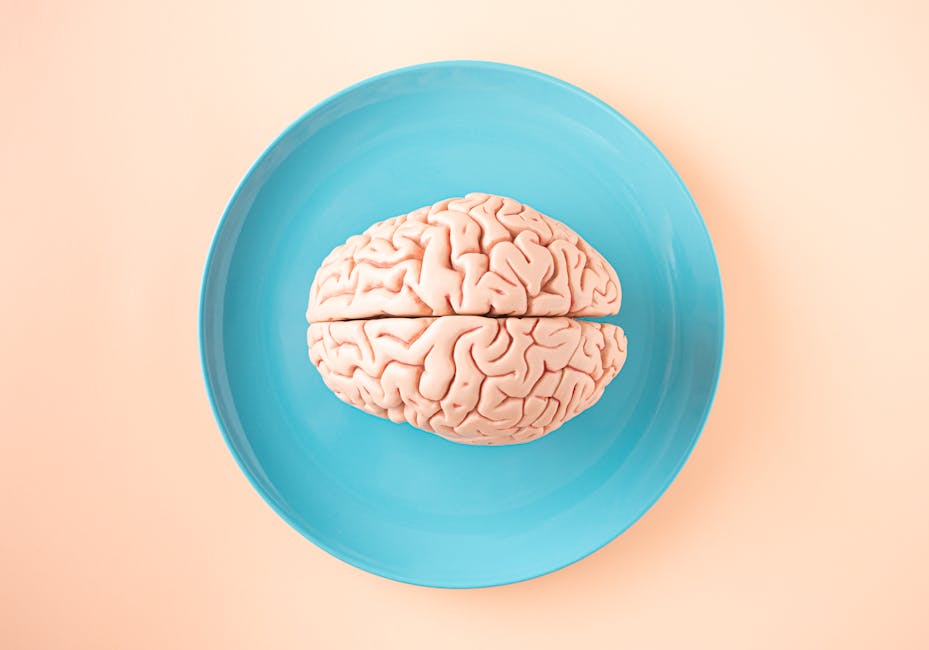
Photo by Andrea Piacquadio on Pexels
The Mystery of Dreaming
Every night, as you drift into sleep, your brain embarks on one of its most extraordinary activities: dreaming. Despite decades of scientific research, dreaming remains one of the most fascinating and debated topics in neuroscience. What we do know is that dreams are far from random — they appear to serve critical biological and psychological functions.
Most vivid dreaming occurs during Rapid Eye Movement (REM) sleep, a stage that makes up roughly 20-25% of an adult’s sleep cycle. During REM sleep, your brain becomes almost as active as when you are awake, yet your body remains temporarily paralyzed — a safeguard that prevents you from physically acting out your dreams.
Leading Scientific Theories
Memory Consolidation Theory
One of the most widely supported theories suggests that dreams play a vital role in memory processing. During sleep, your brain replays and reorganizes the experiences of the day, transferring important information from short-term to long-term memory. Studies have shown that people who sleep after learning new information perform significantly better on recall tests than those who stay awake.
Research by neuroscientist Matthew Walker at UC Berkeley has demonstrated that REM sleep specifically helps the brain process emotional memories, stripping away the intense emotional charge while preserving the factual content. This may explain why a problem that seems overwhelming at night often feels more manageable in the morning.
Threat Simulation Theory
Finnish neuroscientist Antti Revonsuo proposed that dreaming evolved as a biological defense mechanism. According to this theory, dreams allow us to simulate threatening scenarios in a safe environment, rehearsing our responses to dangers without real-world consequences. This could explain why so many common dreams involve being chased, falling, or facing other threats.
Emotional Regulation
Dreams may serve as a form of overnight therapy. The brain processes difficult emotions, unresolved conflicts, and stressful experiences during dream sleep. This emotional regulation function helps maintain psychological balance and mental health. People deprived of REM sleep often show increased anxiety, irritability, and difficulty managing emotions.
Activation-Synthesis Hypothesis
Proposed by Harvard psychiatrists J. Allan Hobson and Robert McCarley in 1977, this theory suggests that dreams result from the brain’s attempt to make sense of random neural activity during sleep. The brainstem sends random electrical signals, and the cortex tries to weave them into a coherent narrative — producing the often bizarre and illogical storylines we experience in dreams.
What Brain Science Tells Us
Modern neuroimaging has revealed that during dreaming, the prefrontal cortex — responsible for logic, planning, and self-awareness — is significantly less active. Meanwhile, the amygdala, the brain’s emotional center, becomes highly engaged. This explains why dreams feel emotionally vivid yet logically inconsistent: you might accept impossible scenarios without question while dreaming.
The visual cortex also remains active during REM sleep, which is why dreams are often rich in visual imagery. Interestingly, the motor cortex is active too, even though the body cannot move — creating the sensation of running, flying, or moving through dream landscapes.
Why Understanding Dreams Matters
Whether dreams consolidate memories, process emotions, rehearse threats, or serve all these purposes simultaneously, one thing is clear: they are not meaningless noise. Paying attention to your dreams can offer valuable insights into your emotional state, unresolved concerns, and subconscious thought patterns. By exploring the symbols that appear in your dreams, you begin to develop a deeper understanding of your inner world.
Disclaimer: This article is for informational and educational purposes only. It is not a substitute for professional medical or psychological advice.
More Articles

How to Remember Your Dreams Better
Practical tips and techniques to improve your dream recall starting tonight.

Sleep Paralysis: What It Is and Why It Happens
Understand the science behind sleep paralysis, why it can feel terrifying, and how to cope with episodes.
The Psychology of Dreams: Freud vs Jung
Compare the two most influential dream theories in psychology and how they shape modern dream interpretation.